
Identify missing information, system interfaces and testing prerequisites early, while your team has time to act.
FROM PLANNING THROUGH OPERATION
FROM INSTALLATION
TO INTEGRATION.
FIRST IN. LAST OUT.
SLA 360 means we’re your partner from planning through operation. We connect your systems, verify the data against field measurements, and test the systems together to prove they perform as designed.
SLA
We connect your systems and prove they work together in the field.
SLA 360 means we’re your partner from planning through operation. We connect your systems, verify the data against field measurements, and test the systems together to prove they perform as designed.
WHY STREAMLINE / OUR PARTNERSHIP
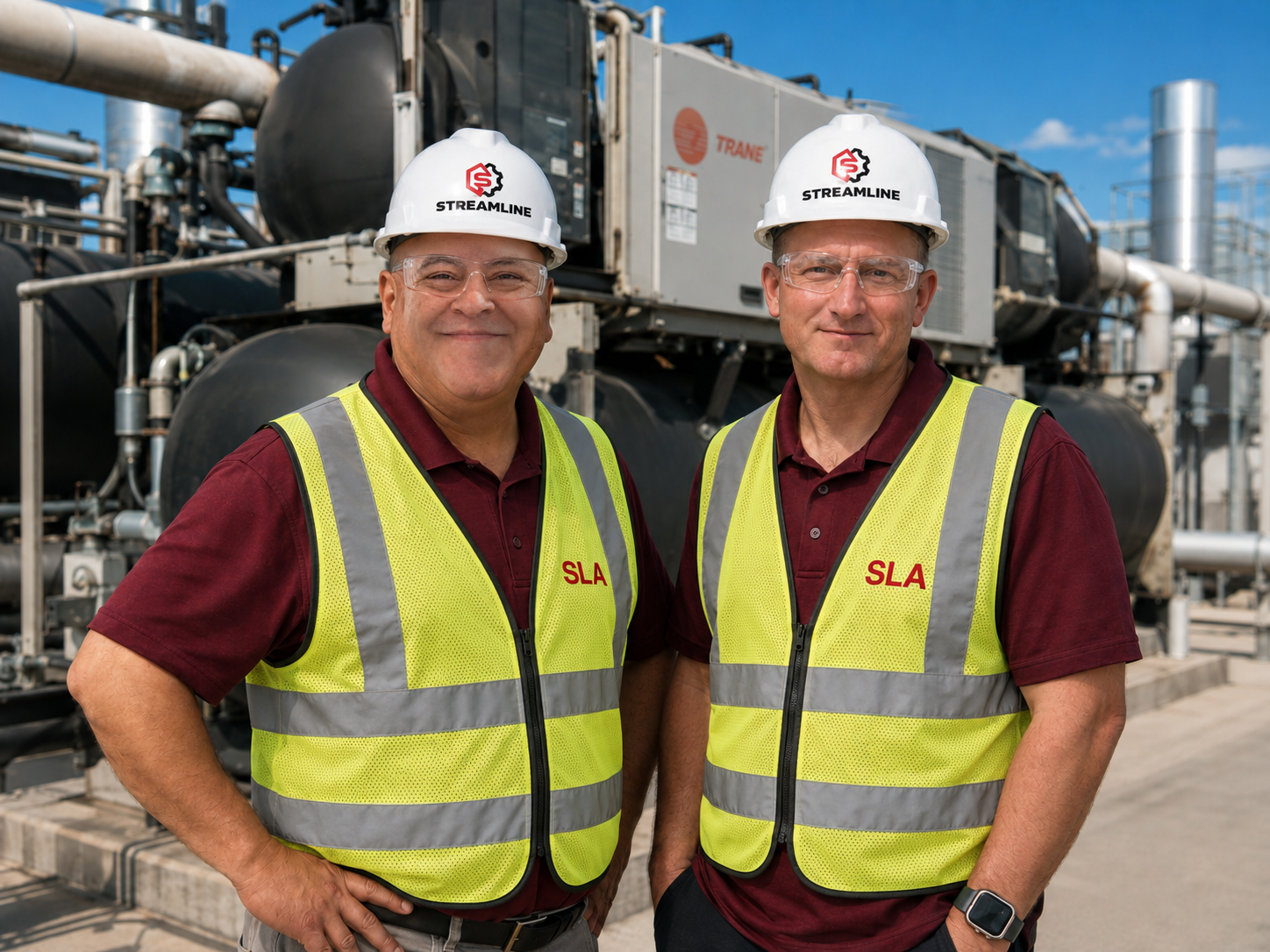
TWO PARTNERS.
ONE ACCOUNTABLE TEAM.
“Either of us can take the lead.”
When the question is what’s happening inside the plant, Mike can lead the investigation and Marcus can coordinate the test with the trades. When Marcus leads commissioning, Mike and the controls crew trace the sequence at the equipment. Your operators have a voice from the first question through the retest.
We give our technicians that same opportunity. They lead the next check, explain the result to the operator, and have us beside them when the questions get tough.
Define who owns each action, track open issues and follow corrections through to documented resolution.
Work with owners, designers, contractors and operators to understand the problem and develop practical solutions together.
Compare actual system response with agreed requirements. Document the results, remaining issues and what operators need next.
OUR TEAM
Meet the people
behind the work.
Leadership, office operations and field expertise working together around your project, with a shared commitment to developing our team.
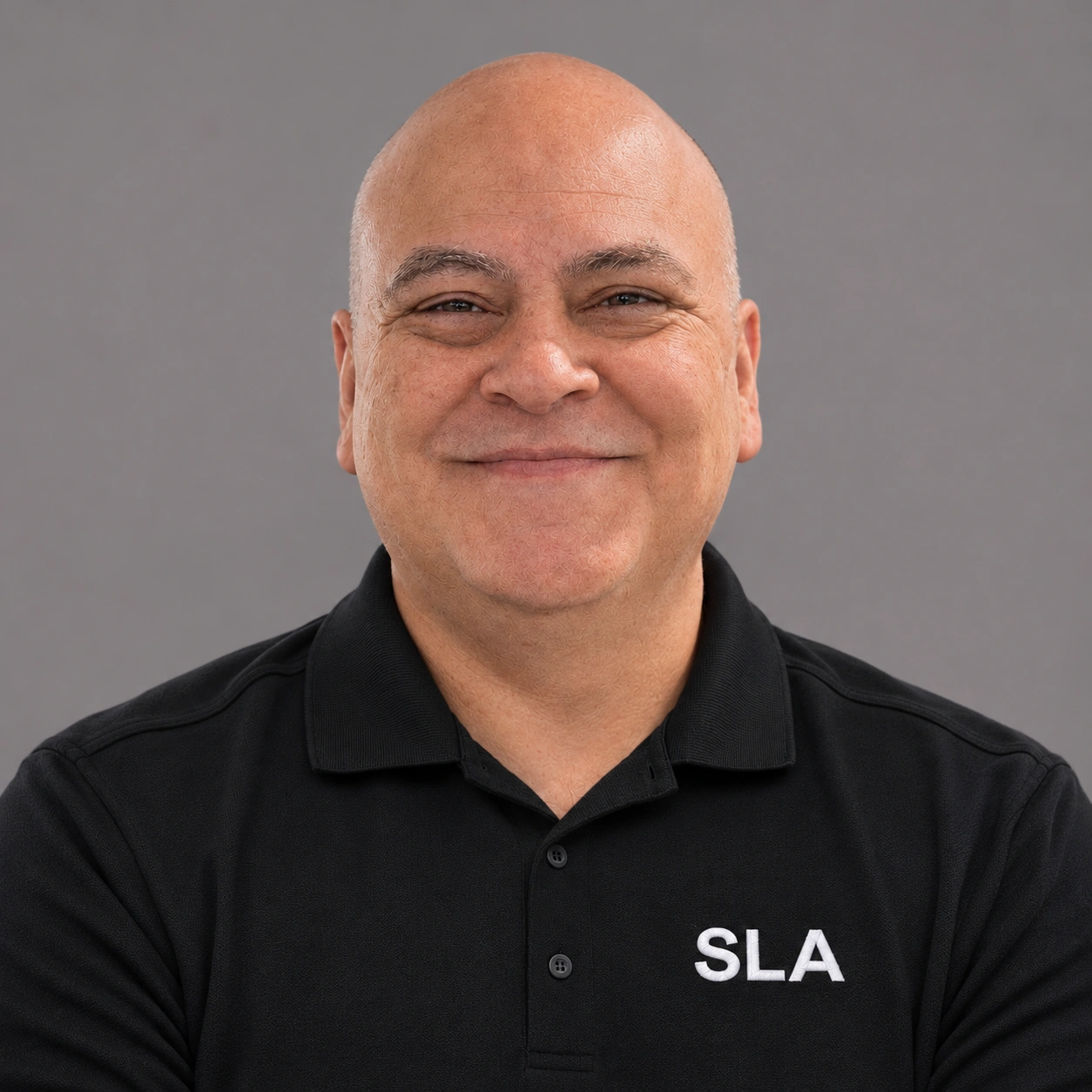
Mike is Streamline’s founder and a former U.S. Navy Seabee. His 35+ years in controls and automation span semiconductor equipment, production lines and ASU’s central plants. When a plant behaves differently from the operator’s screen, Mike leads the field investigation alongside the people who run it.
Explore Mike’s background →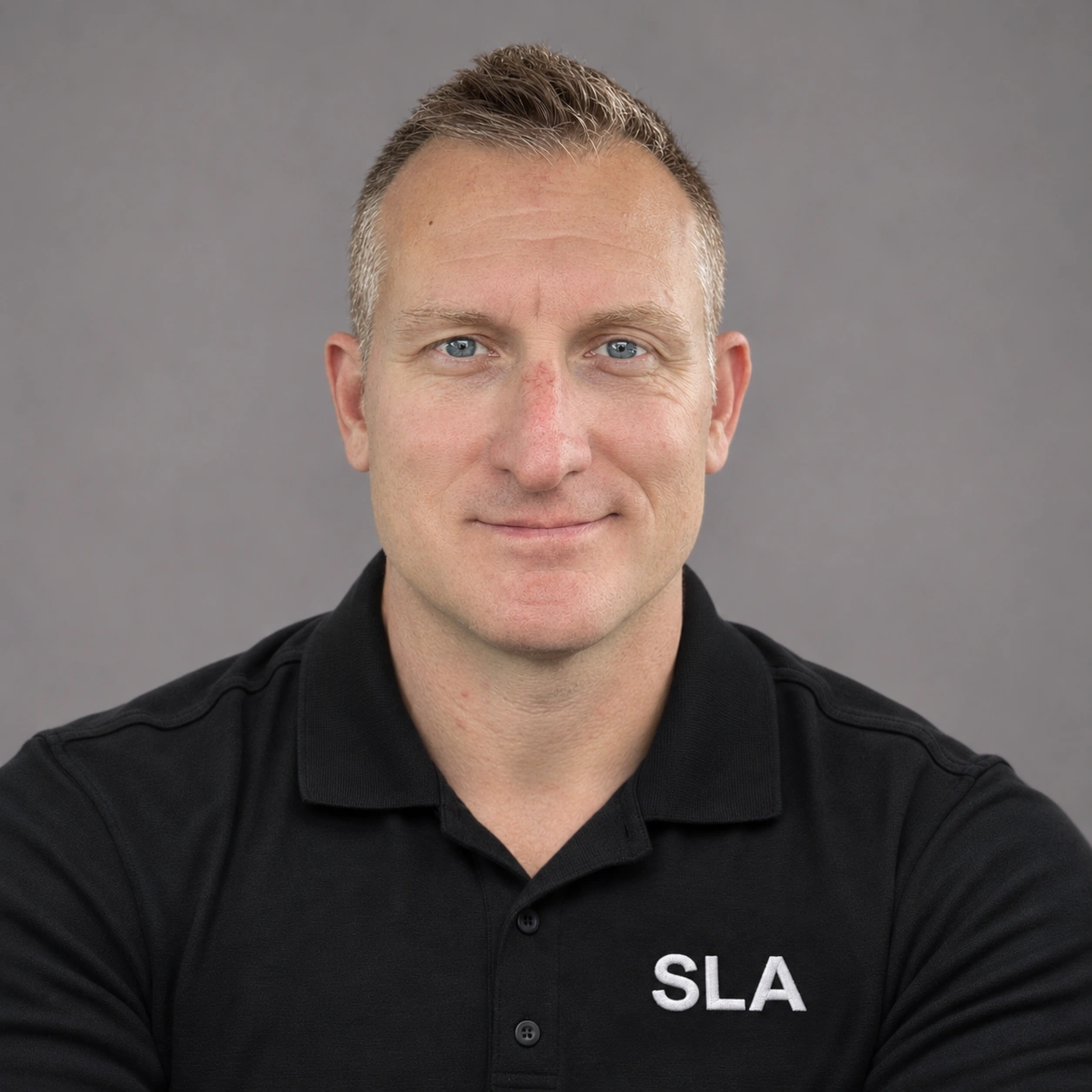
Field and technical leadership across Cx, building enclosure Cx (BECx), QA/QC, controls, integration and energy. Marcus connects construction experience, hands-on investigation and verification with the people delivering the work. He created ASU’s commissioning education program and founded Cx Devils, bringing field practice, teaching and team development together.
CxA · BECxP · CEM · LEED AP BD+C · Assoc. AIA · LFAExplore Marcus’s background →Career figures reflect individual experience, including prior employers. Team, service and market counts reflect the people and categories shown on this site.
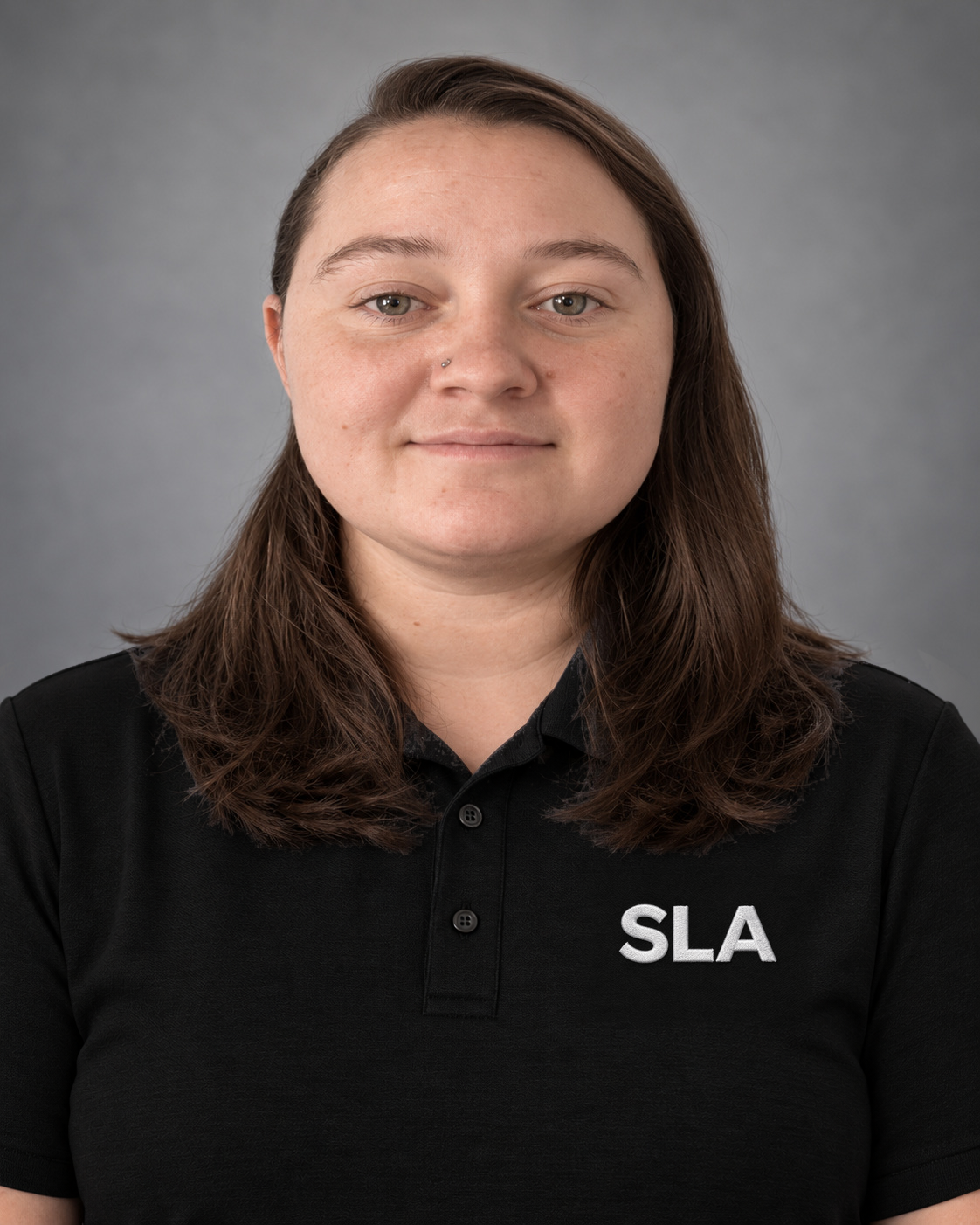
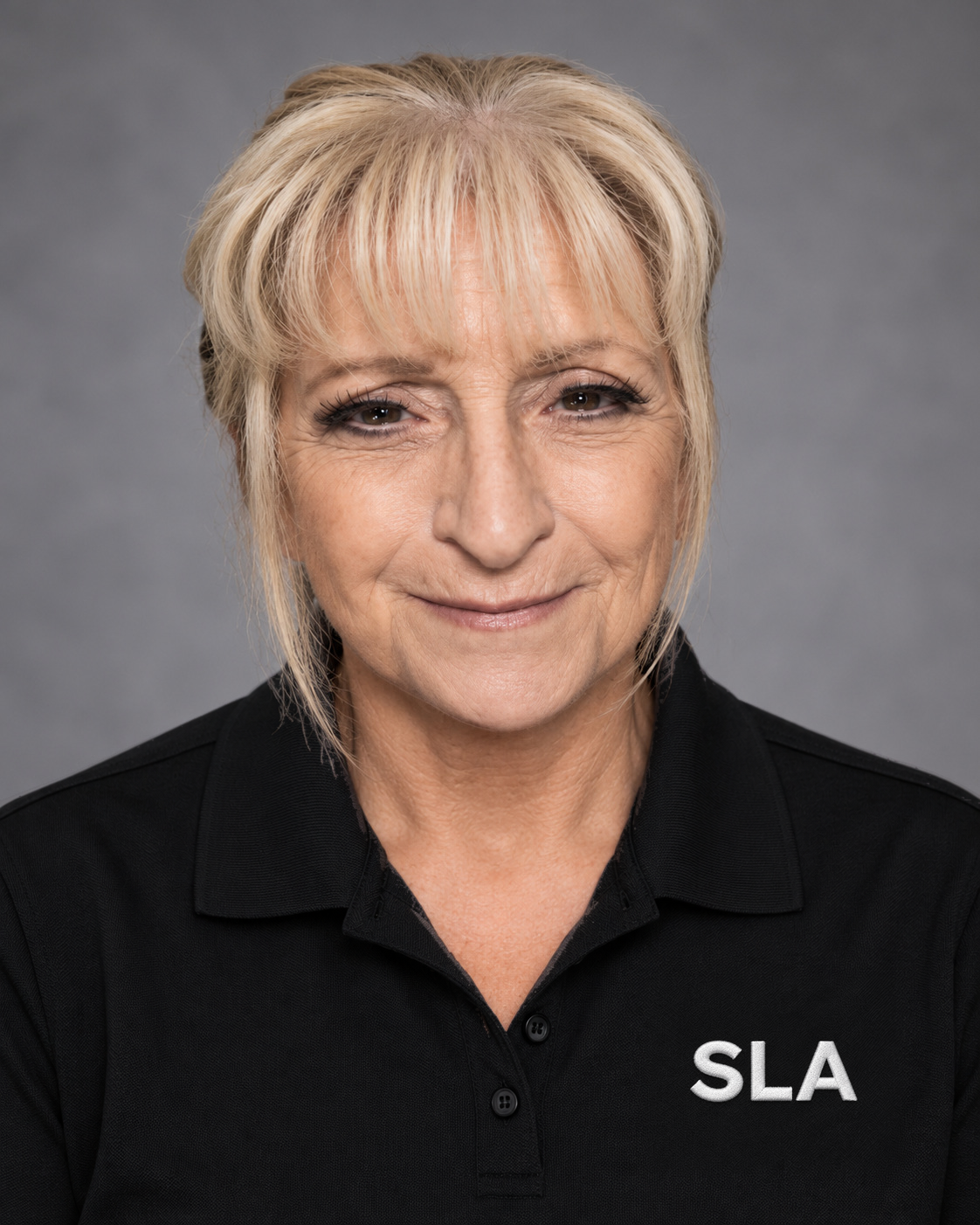
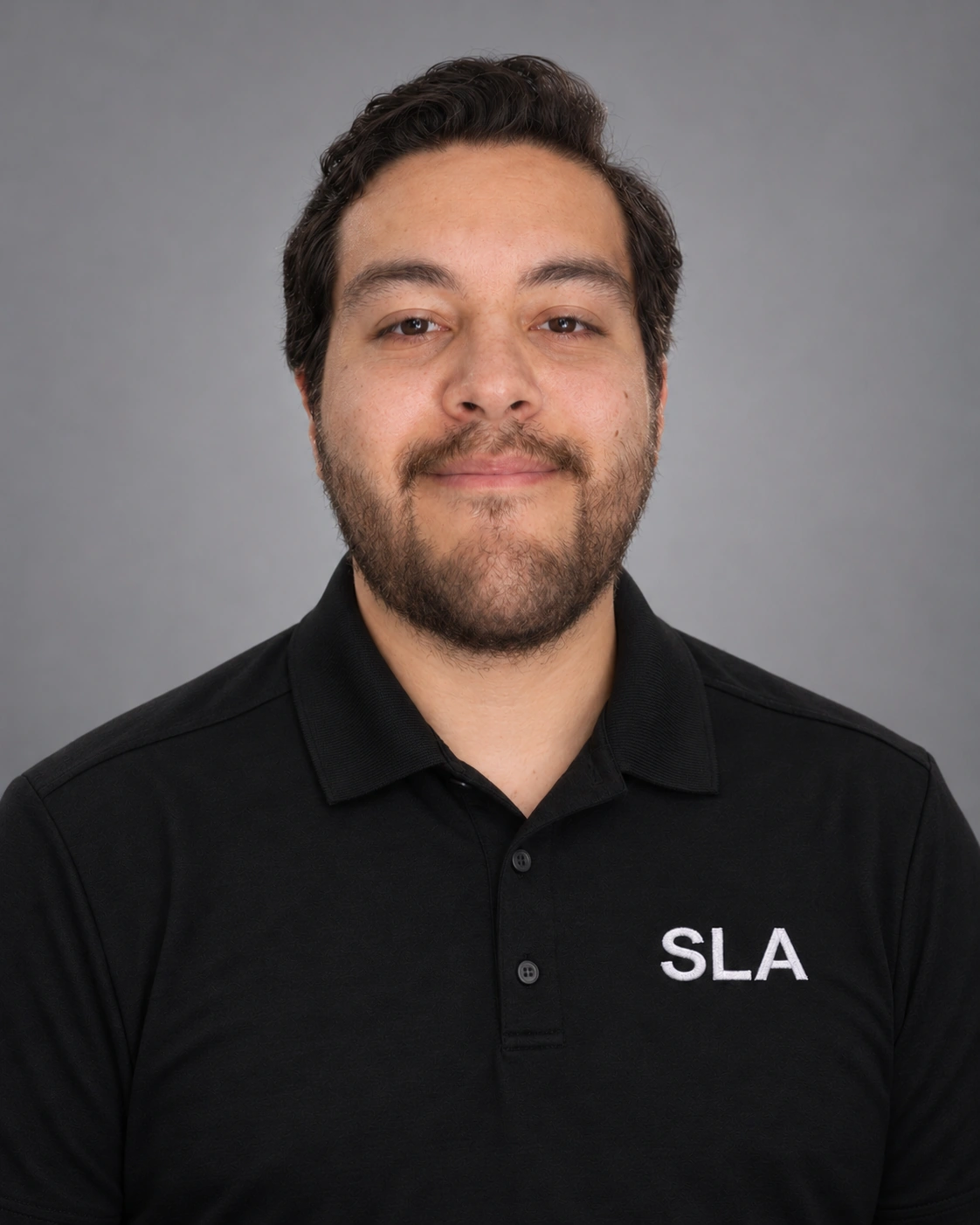
Our services.
Choose a discipline to see what we check in the field, who we work with and what your team receives.
FOCUSED EXPERTISE
Division 25 and enclosure commissioning
INTEGRATED AUTOMATION
Division 25
Who supplies the points, who connects them and who checks what the operator sees? We help you write those responsibilities into the project specifications.
Explore Division 25 →BUILDING ENCLOSURE Cx
BECx
Marcus Myers, BECxP, connects enclosure requirements, design reviews, field observations and testing with the evidence the owner needs.
Explore enclosure Cx →INDUSTRIAL AUTOMATION
Inside an industrial control panel.
Follow the work from the enclosure and DIN rail to the PLC, field wiring and operator display.
Field devicesInstrumentation & field services
Control systemsPLC & I/O
Operator informationSCADA & HMI
Panel shopFabrication & checkout
CONTRACTOR QA/QC
Know what’s ready
before the test.
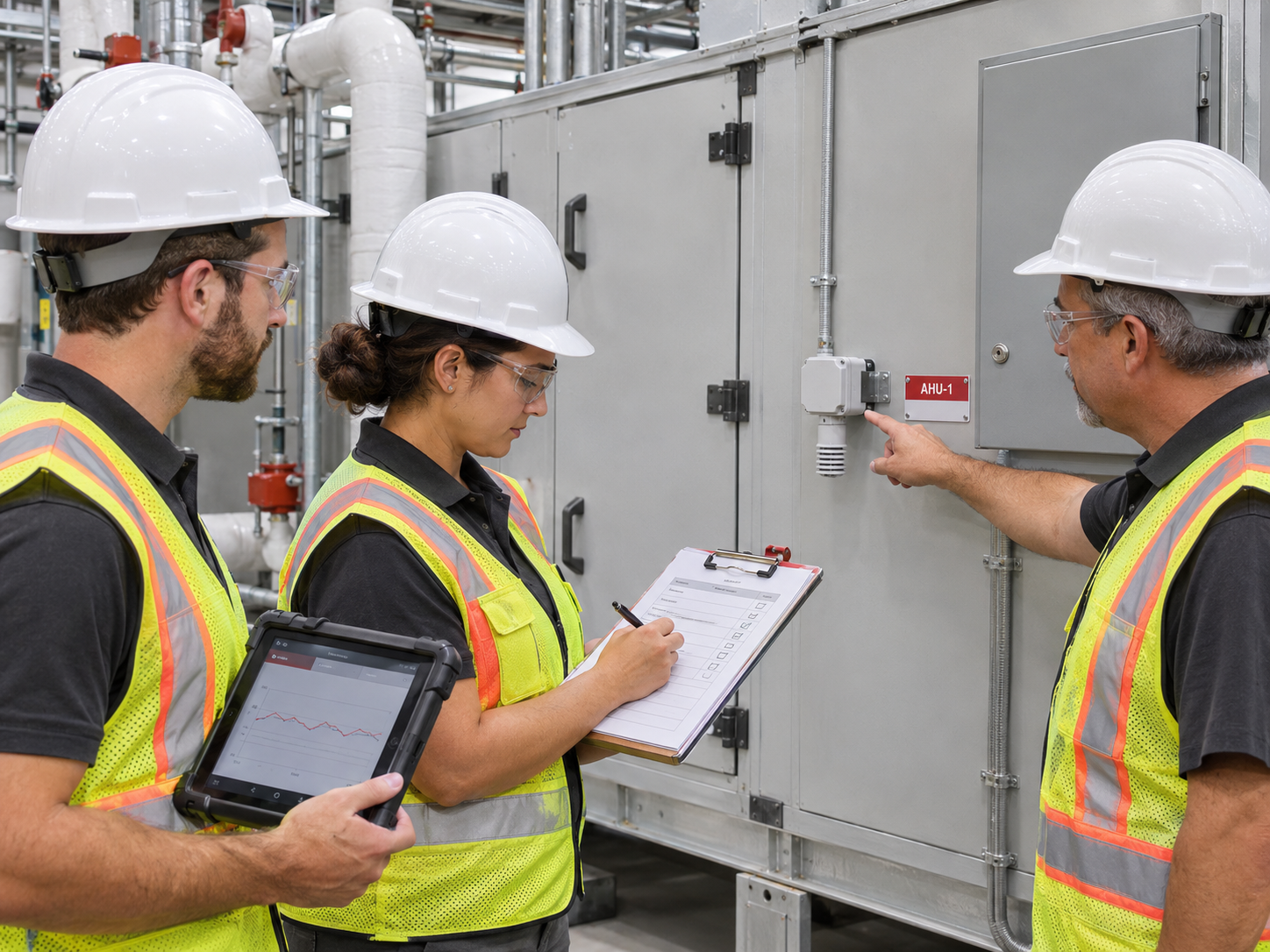
Bring us in before work is concealed or a witnessed test is booked.
We work with the superintendent and trades to check the installation, assign open items and verify corrections so the Cx team knows what it can test.
Explore contractor QA/QCPrepare together.
Align requirements, responsibilities and testing prerequisites before the next milestone.
Verify in the field.
Review installations and measurements, and witness agreed tests with the responsible teams.
Follow through.
Track issues, verify corrections and connect the results to an informed operating handoff.
ACROSS OUR SERVICESPart of a wider engagement or a separately scoped readiness, recovery or handover review.
Explore the complete SLA service catalog →THE SLA360 APPROACH
HOW OUR SERVICES
WORK TOGETHER.
The pump says it’s running. Is water moving?
In our transfer-skid simulation, the starter reports a running motor while the outlet flow signal is missing. See how each discipline helps the team decide what to check next.
01 · Design intent
Design intent
Commissioning (Cx)
Translate owner requirements into clear acceptance criteria.
- Evidence to ask for
- Acceptance criteria stating the required response and how the team will witness it.
Design intent
Building controls
Define how each system should respond and who provides the controls and instruments.
- Evidence to ask for
- The sequence of operation and its matching points list. Pick one piece of equipment and trace the command, the feedback and the expected response.
Design intent
Systems integration (MSI)
Define system interfaces, data requirements and ownership.
- Evidence to ask for
- An interface list naming the point source, destination and responsible trade.
Design intent
Energy
Establish performance goals and a useful baseline.
- Evidence to ask for
- A baseline plan naming the meters, operating conditions and comparison period.
Design intent
Industrial automation
Agree which permissives allow the transfer pump to start and which field signal will prove flow.
- Evidence to ask for
- A sequence identifying the start conditions and independent flow proof.
Design intent
QA/QC
Plan inspections with the trades. Identify items to check before concealment and evidence required before Cx.
- Evidence to ask for
- An inspection plan naming the checks due before access is closed.
02 · Field verification
Field verification
Commissioning (Cx)
Review readiness and verify the agreed system response.
- Evidence to ask for
- A witnessed test record with expected and actual results, open items and retest status.
Field verification
Building controls
Check instruments, programming and equipment behavior.
- Evidence to ask for
- A point-check record showing the command, the instrument reading and the equipment response.
Field verification
Systems integration (MSI)
Verify interfaces, point mapping and information flow.
- Evidence to ask for
- A field-to-screen check that pairs the source point with its displayed value.
Field verification
Energy
Check meter inputs and the operating conditions behind the baseline.
- Evidence to ask for
- A meter check with units, timestamp and the operating load at the time.
Field verification
Industrial automation
Trace the start output to the starter, then check motor feedback and the separate flow switch.
- Evidence to ask for
- A record showing the start command, motor feedback and flow proof as three separate observations.
Field verification
QA/QC
Check the installed switch, wiring and label against the approved documents. Record corrections by equipment tag.
- Evidence to ask for
- An inspection record with the equipment tag, correction and field recheck.
03 · Trusted data
Trusted data
Commissioning (Cx)
Trace verification results to requirements and field conditions.
- Evidence to ask for
- A test record linking the field observation to the requirement it demonstrated.
Trusted data
Building controls
Confirm readings, commands, feedback and operating modes.
- Evidence to ask for
- A time-aligned trend of the request, feedback and operating mode.
Trusted data
Systems integration (MSI)
Validate identity, units, scaling, timestamps and data context.
- Evidence to ask for
- A checked point record with source, units, scaling and timestamp.
Trusted data
Energy
Use validated trends and meter data to assess performance.
- Evidence to ask for
- A trend with its meter source, time interval and relevant operating load.
Trusted data
Industrial automation
Match the HMI indications to the PLC inputs. Check how the display identifies a missing or stale signal.
- Evidence to ask for
- A comparison of field feedback and the operator display, including how missing feedback appears.
Trusted data
QA/QC
Match drawings, inspection records and photos to the installed equipment. Verify the evidence for each correction.
- Evidence to ask for
- A field record linking the drawing revision, installation photo and verified correction.
04 · Operational readiness
Operational readiness
Commissioning (Cx)
Close verification records and identify remaining restrictions.
- Evidence to ask for
- A handoff record listing passed tests, outstanding restrictions and the person taking each action.
Operational readiness
Building controls
Prepare sequences, alarms and system information for operators.
- Evidence to ask for
- Operator reference notes showing the sequence, alarm meaning and source of feedback.
Operational readiness
Systems integration (MSI)
Deliver usable system relationships, point records and platform information.
- Evidence to ask for
- An interface handoff naming the source system, mapped points and support contact.
Operational readiness
Energy
Agree review routines, operating expectations and performance measures.
- Evidence to ask for
- A performance review schedule with meter coverage and responsibility for following up.
Operational readiness
Industrial automation
Walk operators through a start, loss of proof and recovery using the agreed sequence and alarm history.
- Evidence to ask for
- An operator walkthrough record showing the alarm, the status after recovery and the evidence reviewed.
Operational readiness
QA/QC
Bring completed checks and named owners for open items to the readiness review. Flag what could limit the test.
- Evidence to ask for
- A readiness list separating completed field checks from open items, with a responsible party for each.
05 · Continuing performance
Continuing performance
Commissioning (Cx)
Follow performance through ongoing review and verification.
- Evidence to ask for
- A retest record linking the original finding to the newly witnessed response.
Continuing performance
Building controls
Investigate behavior and implement approved control improvements.
- Evidence to ask for
- A change record with the approved sequence and before-and-after trend.
Continuing performance
Systems integration (MSI)
Keep information usable as systems and vendors change.
- Evidence to ask for
- An updated point map and a field-to-screen check after a system change.
Continuing performance
Energy
Investigate use, prioritize improvements and verify results.
- Evidence to ask for
- A before-and-after comparison documenting load, schedule and the meter data used.
Continuing performance
Industrial automation
Compare the operator’s alarm history and signal trends when an intermittent trip returns.
- Evidence to ask for
- An event timeline comparing the command, motor response and flow feedback during the trip.
Continuing performance
QA/QC
Recheck affected installations after changes. Keep the correction and retest linked to the original field record.
- Evidence to ask for
- A correction record linking the original issue, affected equipment and retest result.
Engage one service or a coordinated team. We connect the interfaces, responsibilities and results around your project.
See how systems integration works
Follow a signal from the building controls to the operator’s screen.
MSI WITHIN THE SLA360 APPROACH
Master systems
integration (MSI).
Connect your systems.
Make the information useful.
We define how systems and vendors exchange information, verify what it means, and connect it to the records and operating decisions your facilities team needs.
MSICoordinate the interface.
Verify the information.Identity · Units · Mapping
Time · Quality · AuthorityExplore point context →
OWNER’S OPERATING VIEW
Building controls / BAS & DDC
A measured temperature, a setpoint and a command have different purposes. Keep the equipment, space and point function identifiable.
- Verify at the interface
- Point identity, units, actual versus commanded status, timestamps and quality flags.
- Use it to
- Investigate a comfort complaint and compare the equipment response with its approved sequence.
Compare the measured room temperature with its setpoint, then check how the equipment responds.
Power & metering / EPMS
A demand reading needs its meter, circuit, units and time context. Consumption and demand are different measurements.
- Verify at the interface
- Meter and circuit identity, mapping, scaling, timestamps and the relevant measurement records.
- Use it to
- Compare demand and consumption, review events and identify where a reading needs investigation.
Trace a demand reading to its meter and circuit. Check the units and timestamp.
Process controls / PLC & SCADA
A pump command is not proof that the pump is running or producing the required flow. The operator needs the relevant feedback and process condition.
- Verify at the interface
- Command and feedback identity, process measurements, alarms and the agreed exchange with the local controls.
- Use it to
- Understand plant response, investigate an alarm and follow the affected equipment.
Compare the pump command with its run feedback and measured flow.
Vendor equipment / OEM interfaces
A package controller exposes an agreed set of points. Define which party supplies each value, who may issue commands and what an unavailable signal means.
- Verify at the interface
- The vendor point list, communication mapping, permitted commands and loss-of-communication behavior.
- Use it to
- Resolve interface gaps with the responsible vendor and understand the limits of the operating view.
Check who can command the package and what the operator sees if communication is lost.
Source informationMSI coordination & verificationOwner’s operating view
Illustrative information paths. Local systems retain their control and protective functions. Hover or focus to hold a route; select a source to keep it visible.
Markets we serve
Choose your facility type to see how we help your team test equipment, connect controls and keep systems running.
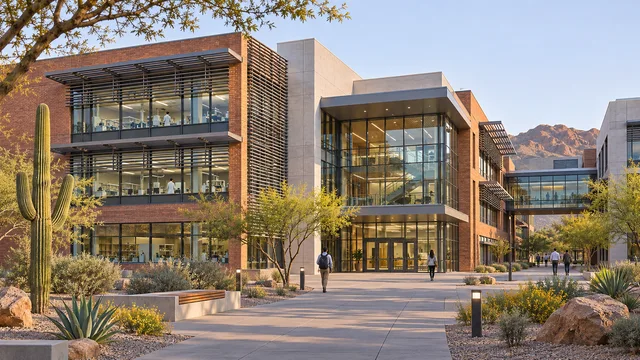
01
Campuses & research
One building. A much larger system.
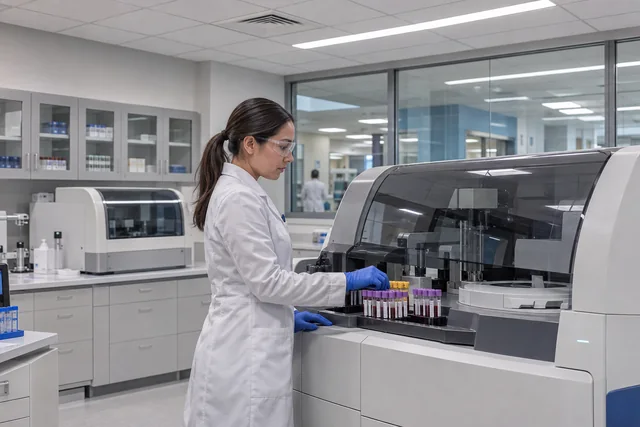
02
Healthcare & life sciences
Conditions that support the work inside.
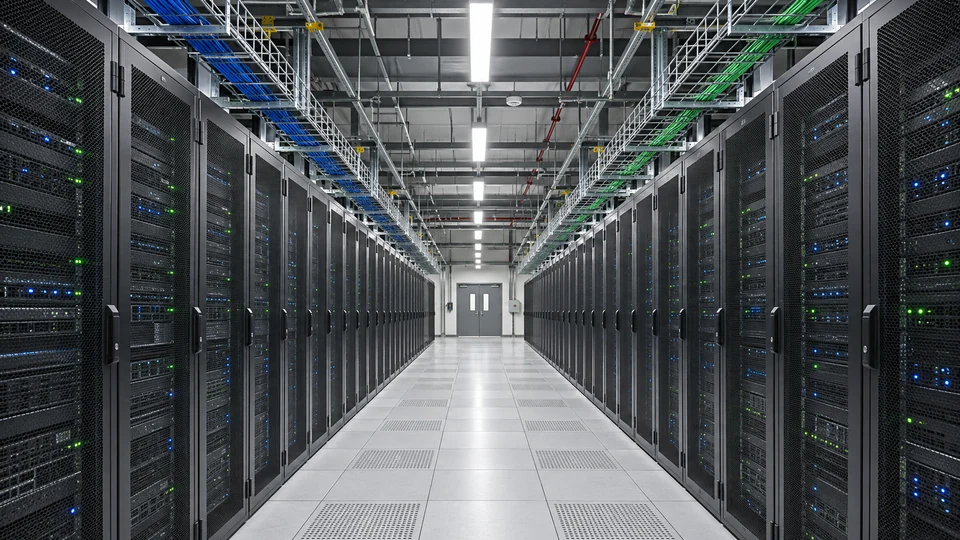
03
Data centers
Readiness. Response. Recovery.
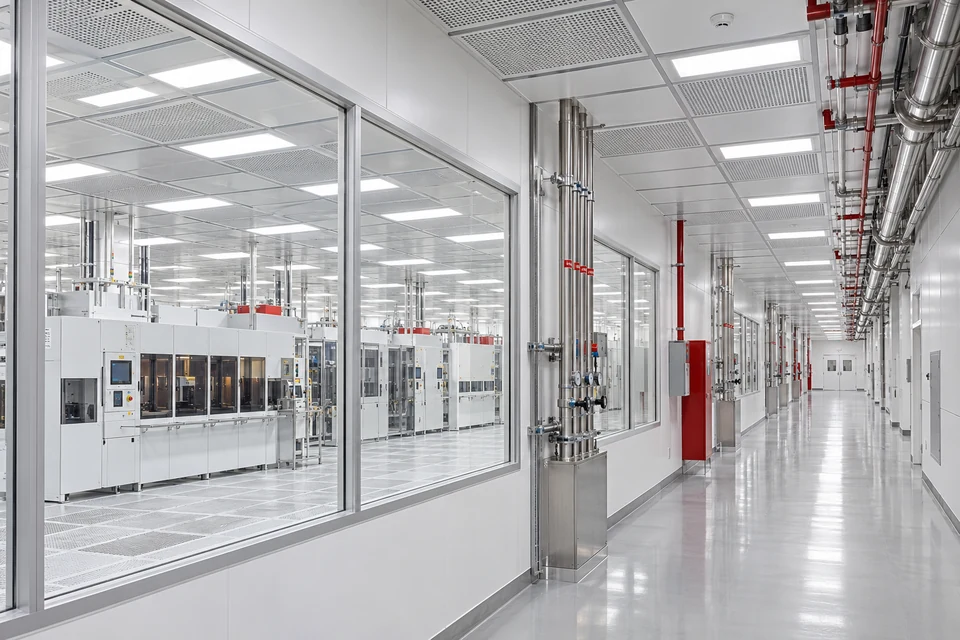
04
Semiconductors
The process depends on what supports it.
05
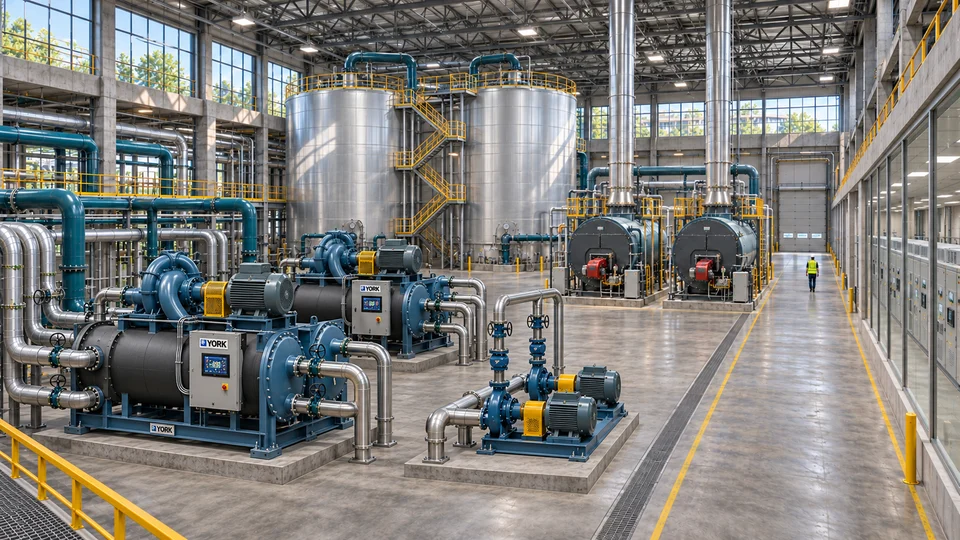
Central plants & utilities
How chillers, pumps and storage work together.
06
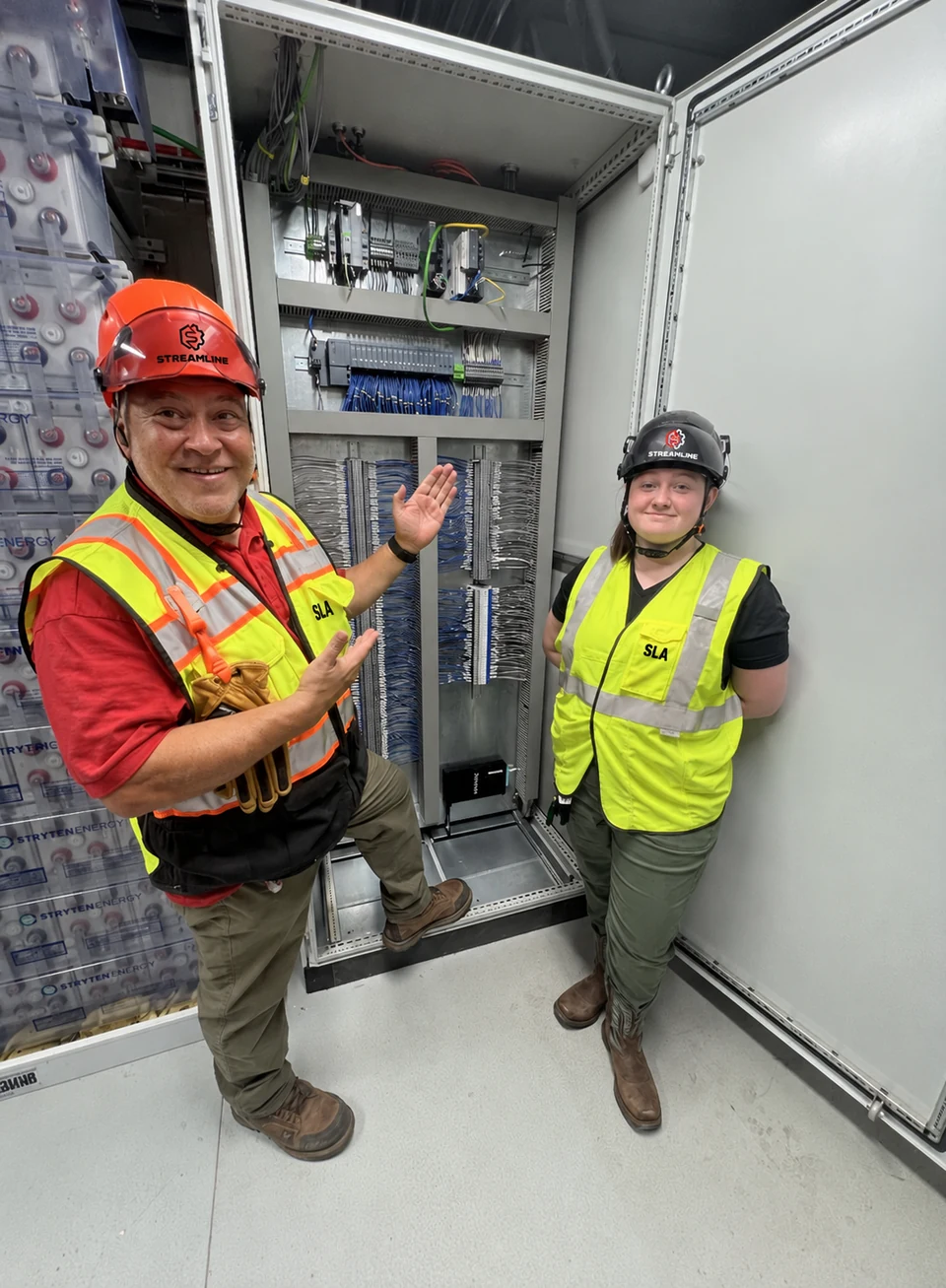
Manufacturing & process
Connect the sequence to the production floor.
SLA team · Controls fieldwork.
07
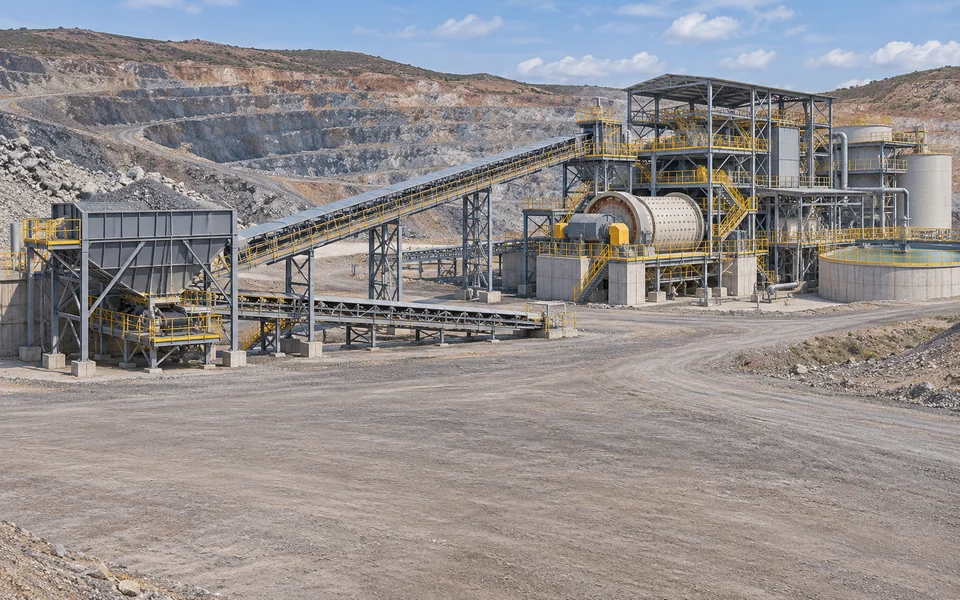
Mining & heavy industry
Field conditions. Clear operating response.
08
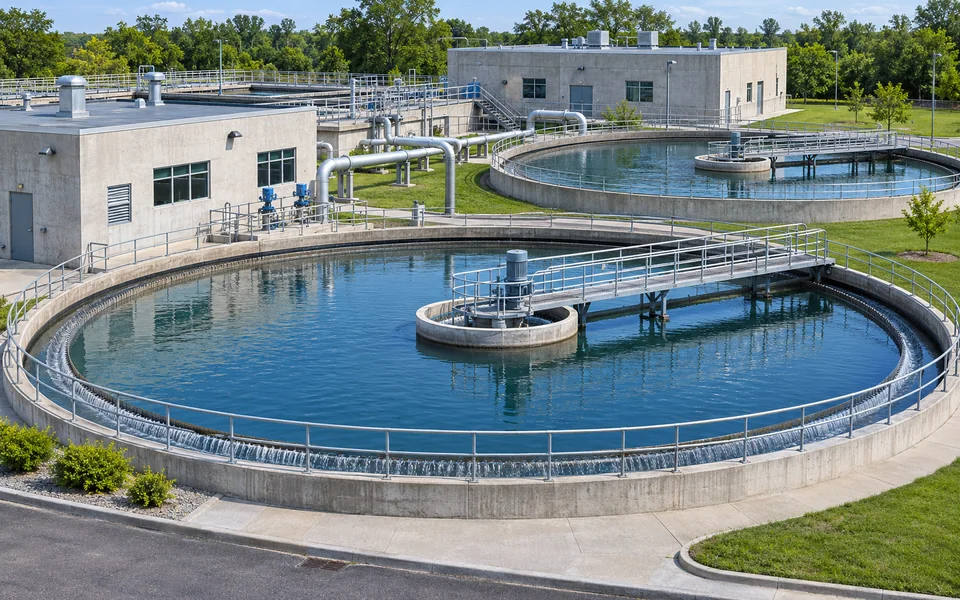
Water & wastewater
From the field measurement to the response.

09
Airports & transportation
Keep the project connected to the operation.
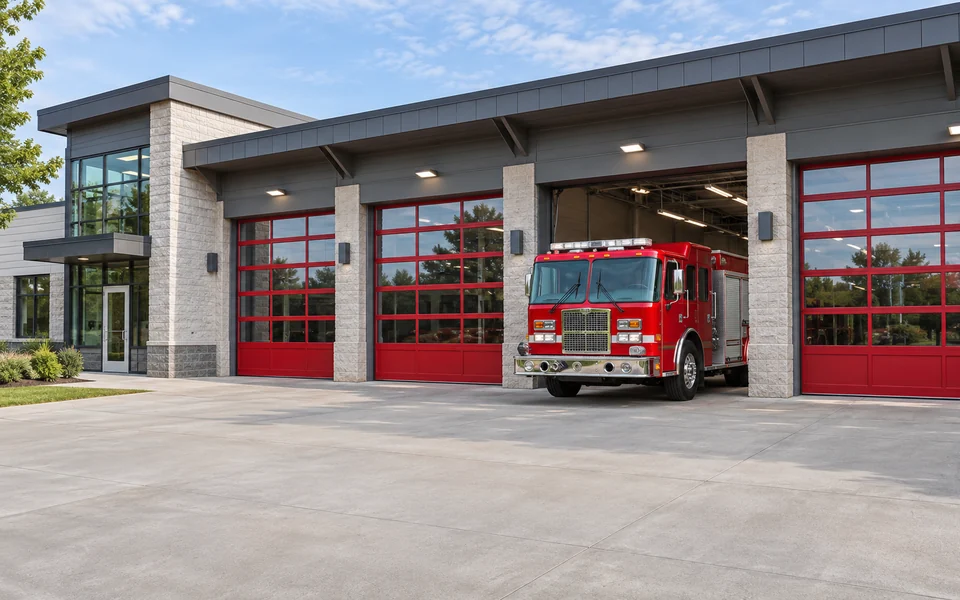
10
Civic & public safety
Systems behind essential public services.
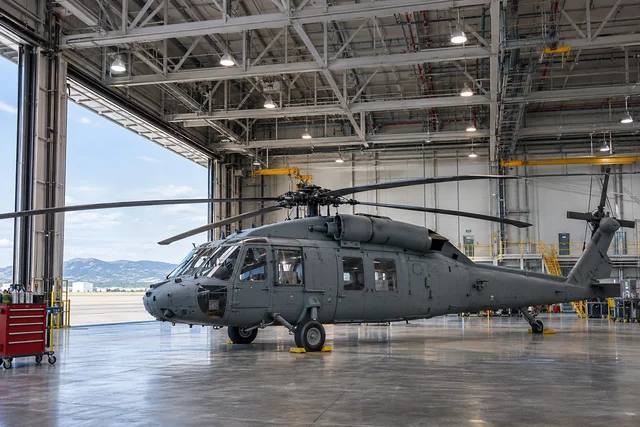
11
Federal & military
Owner requirements. Traceable verification.
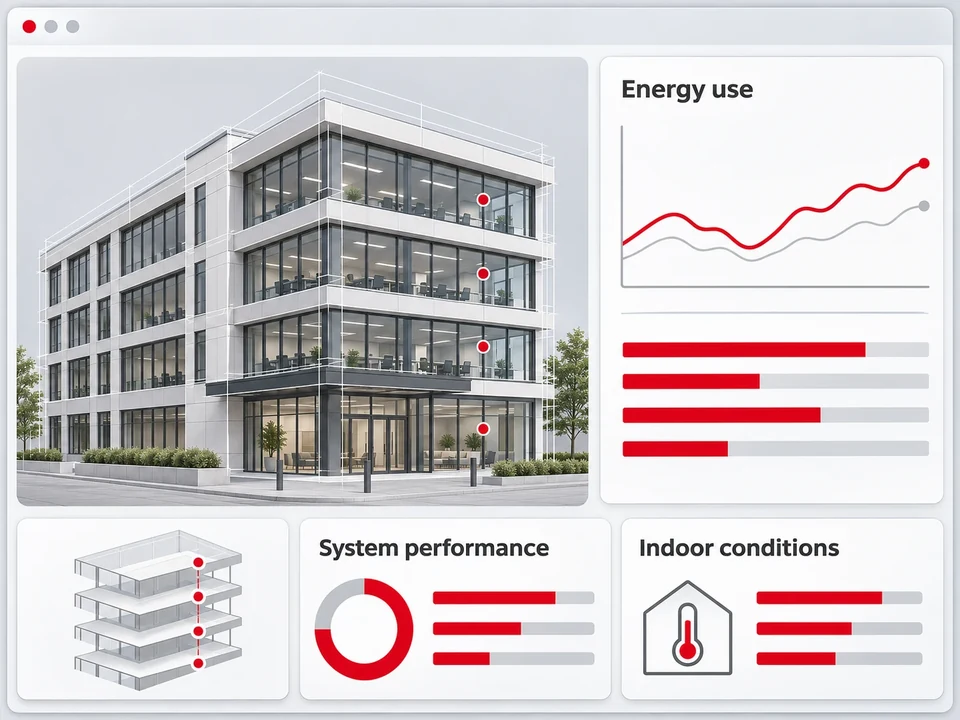
12
Commercial & workplaces
Make the building work for its occupants.

13
Residential & mixed use
Shared systems. Everyday comfort.
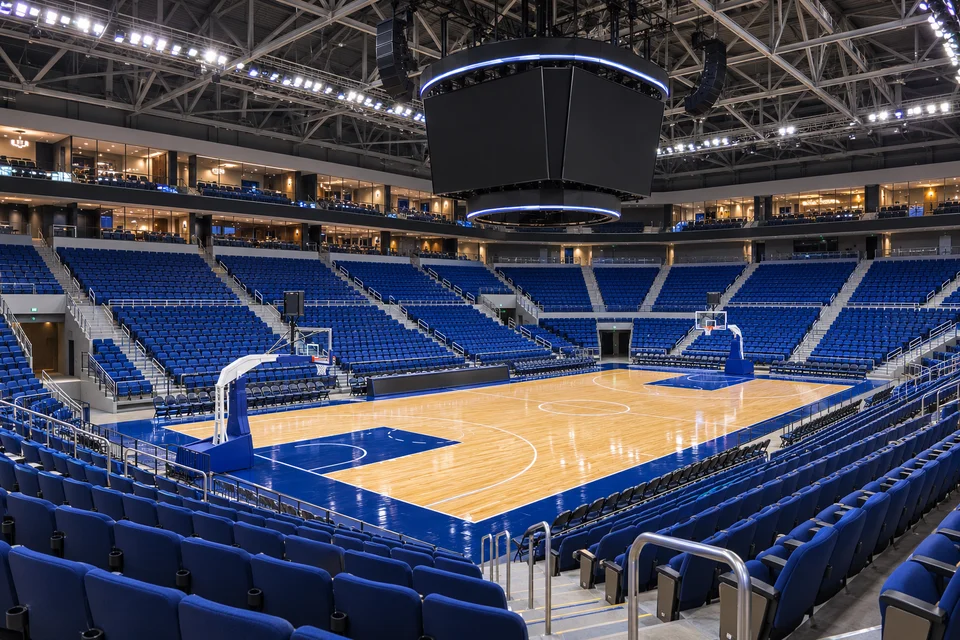
14
Hospitality, sports & culture
Comfort, lighting and ventilation for a full house.
15
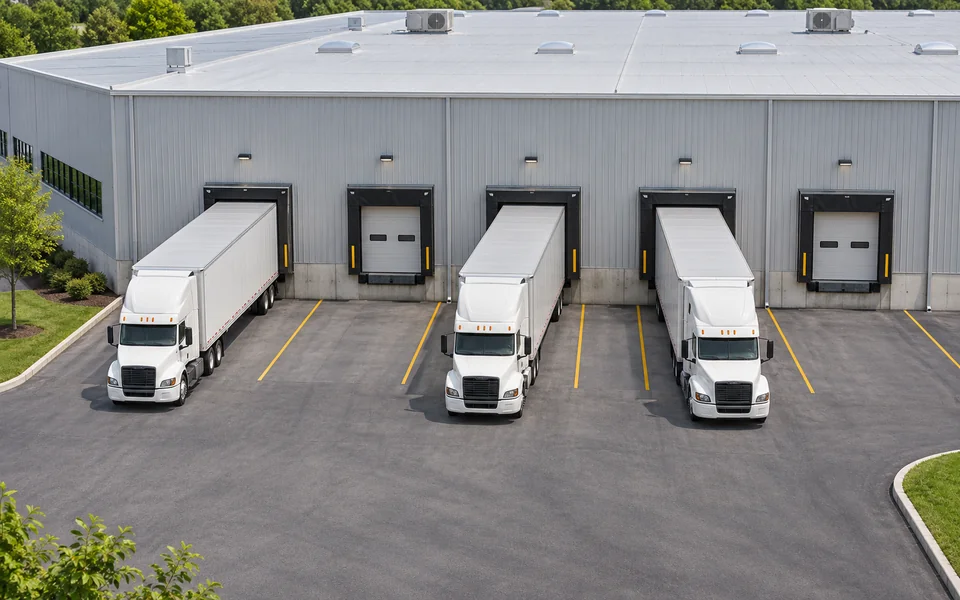
Logistics & distribution
Every equipment handoff matters.
Experience and qualifications
WORK & EVIDENCE
Projects you can
ask us about.
At a campus handoff, on a production line or across a portfolio, the work looks different. Here’s what SLA and its partners have done.
Campus projectsExplore our work in campus buildings, central plants and laboratories.SeaCa · Upgrading an extrusion lineMike Valdez worked on the line controls and a new SCADA system for a packaging plant in Surprise, Arizona. His experience covers the machinery and the screens operators use to run it.Leading 22 site audits nationwideBefore joining SLA, Marcus Myers led every site audit in a nationwide review of older data centers and offices. The portfolio covered approximately 3.5 million square feet.
WHERE WE WORK
LOCAL TO ARIZONA.TRUSTED NATIONALLY.
Based in Tempe, Arizona. Available for projects across the U.S. and internationally.
Nationwide service
Selected locations from Mike and Marcus’s career experience.
- North America
- Canada · Mexico
- Europe
- United Kingdom, including Scotland · Ireland · France · Germany · Austria · Italy · Russia
- Asia & Pacific
- China · Japan · South Korea · Taiwan · Singapore · Malaysia · Australia
- Middle East & Africa
- Israel · Africa
Tempe, Arizona
Our home base.
National delivery
Site presence and technical support.
International support
Planned around the assignment.
TRAVEL & REMOTE SITE DELIVERY
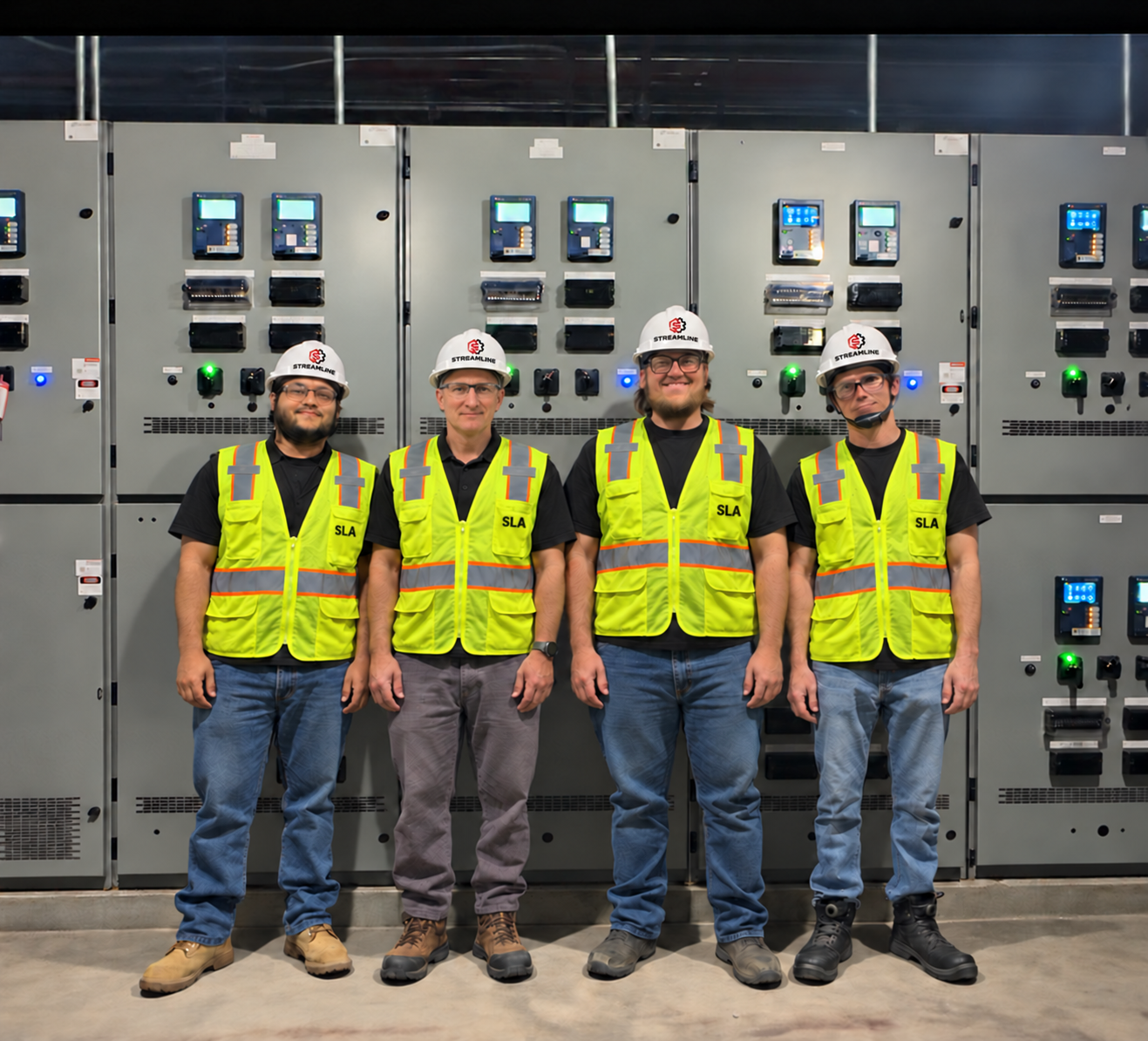
The right team.
Ready for the assignment.
Where your project takes us, we plan field presence, technical support and clear handoffs around the work and its milestones.
Plan the mobilization.
Coordinate qualifications, site access, training, tools, work windows and travel before the team arrives.
Match the people to the work.
Bring the right field skills and technical support. Plan Mike’s and Marcus’s involvement around critical decisions.
Keep the work connected.
Carry current drawings, configurations, backups and open actions through each shift and team handoff.
Staffing, travel, rotations and site coverage are agreed for each assignment.
Streamline Automation · Tempe, Arizona
3025 S. 48th St., Suite 103 · Tempe, AZ 85282
Open office map & directions ↗Call 602-438-6061SLA RESOURCES
Explore our services
and experience.
Review our qualifications, see examples of the work and explore the technical detail relevant to your project.
View and print our qualificationsPreview the 12-page brochure, print a copy or download the PDF.See project experienceSelected career assignments and the expertise Mike and Marcus bring to SLA →Explore Cx services and field examplesNew construction, existing buildings, enclosure and ongoing performance →Review technical guidesCx planning, owner requirements, readiness and verification →
CONTACT STREAMLINE AUTOMATION
We’d like to
hear from you.
Tell Mike and Marcus what you’re building, what’s holding up the work or what your operators need from the next handoff. A few lines are enough.
FROM A CONVERSATION TO A PARTNERSHIP